Semaglutide Diet Plan: A Comprehensive Guide (2026)
Navigating the evolving landscape of GLP-1 therapies in 2026‚ this guide details maximizing weight loss‚ cardiovascular health‚ and overall well-being with semaglutide․

Understanding Semaglutide and Weight Loss
Semaglutide‚ available as Ozempic‚ Wegovy‚ and Rybelsus‚ represents a significant advancement in weight management․ Initially developed for type 2 diabetes‚ its potent effects on appetite regulation and glucose control have proven remarkably effective for inducing weight loss․ The FDA has approved both injectable and oral formulations‚ expanding access for individuals seeking medical assistance;
This medication mimics a natural hormone‚ GLP-1‚ which signals fullness to the brain and slows gastric emptying․ Consequently‚ individuals experience reduced hunger‚ eat smaller portions‚ and feel satisfied with less food․ However‚ semaglutide isn’t a standalone solution; it’s most effective when combined with lifestyle modifications‚ particularly a tailored diet and regular exercise․

Success hinges on understanding how semaglutide interacts with dietary choices‚ optimizing nutrient intake‚ and mitigating potential side effects․ A comprehensive approach‚ detailed within this guide‚ is crucial for achieving sustainable results and maximizing the benefits of this powerful medication․
How Semaglutide Works for Weight Management
Semaglutide exerts its weight management effects through multiple mechanisms centered around the glucagon-like peptide-1 (GLP-1) receptor․ By activating these receptors‚ it mimics the body’s natural appetite-suppressing signals‚ leading to reduced food intake and a feeling of fullness․ This occurs by slowing gastric emptying‚ meaning food remains in the stomach longer‚ promoting satiety․
Furthermore‚ semaglutide influences brain regions involved in reward and craving‚ diminishing the psychological drive to overeat․ It also demonstrates potential benefits for glucose regulation‚ improving insulin sensitivity and reducing blood sugar spikes after meals․ These metabolic improvements contribute to overall weight loss and improved health markers․
Crucially‚ semaglutide isn’t about simply restricting calories; it’s about recalibrating the body’s natural hunger and satiety cues‚ making it easier to adhere to a healthy eating pattern and achieve sustainable weight reduction․ Its effectiveness is amplified when paired with lifestyle changes․
Semaglutide Forms: Injection vs․ Oral (Wegovy‚ Ozempic‚ Rybelsus)
Semaglutide is available in both injectable and oral formulations‚ each with distinct characteristics․ Wegovy and Ozempic are injectable forms‚ administered weekly․ Wegovy is specifically approved for weight loss at a higher dosage‚ while Ozempic is primarily indicated for type 2 diabetes‚ though often prescribed off-label for weight management․
Rybelsus represents the first oral semaglutide medication‚ taken daily․ While offering convenience‚ its absorption can be affected by food and fluid intake‚ requiring specific administration guidelines․ Studies suggest injectable forms may lead to slightly greater weight loss‚ but oral semaglutide provides an accessible alternative․
The choice between forms depends on individual preferences‚ lifestyle‚ insurance coverage‚ and physician recommendations․ Effectiveness varies‚ and monitoring is crucial regardless of the chosen delivery method․
Potential Side Effects of Semaglutide & Dietary Adjustments
Common semaglutide side effects include nausea‚ vomiting‚ diarrhea‚ and constipation‚ typically diminishing over time․ Dietary adjustments are crucial for managing these․ Small‚ frequent meals can minimize nausea‚ while reducing refined sugar and fatty food intake helps alleviate digestive distress․
Prioritizing easily digestible foods and adequate hydration is essential․ If constipation occurs‚ increasing fiber intake through fruits‚ vegetables‚ and whole grains is recommended․ Conversely‚ for diarrhea‚ a low-fiber diet may be beneficial․
Avoiding high-fat and greasy foods is paramount‚ as they can exacerbate gastrointestinal symptoms․ Careful monitoring and communication with your healthcare provider are vital for personalized guidance and symptom management․
Managing Nausea and Digestive Issues
Nausea is a frequently reported side effect when initiating semaglutide therapy․ Employing strategies like consuming smaller‚ more frequent meals throughout the day can significantly minimize feelings of sickness․ Focusing on bland‚ easily digestible foods – think toast‚ crackers‚ or plain rice – provides gentle nourishment․
Reducing your intake of refined sugars and processed foods is also crucial‚ as these can worsen nausea․ Sipping on clear fluids‚ such as water or ginger ale‚ can help settle the stomach․ Avoid strong smells and flavors that might trigger discomfort․
If nausea persists‚ consult your healthcare provider for potential adjustments to your medication or further guidance․
Minimizing Constipation and Diarrhea
Semaglutide can sometimes cause digestive disruptions‚ including both constipation and diarrhea․ To combat constipation‚ prioritize adequate hydration by drinking plenty of water throughout the day․ Increasing your fiber intake gradually‚ through fruits‚ vegetables‚ and whole grains‚ can also promote regularity․
For diarrhea‚ focus on the BRAT diet – bananas‚ rice‚ applesauce‚ and toast – which are gentle on the digestive system․ Avoiding high-fat foods and dairy products can also help reduce symptoms․ Small‚ frequent meals are preferable to large ones․
If symptoms are severe or persistent‚ consult your healthcare provider to rule out other causes and discuss potential solutions․
Core Principles of a Semaglutide Diet Plan
A successful semaglutide diet plan centers around prioritizing whole‚ unprocessed foods․ Focus on nutrient density rather than calorie restriction‚ supporting overall health alongside weight loss․ Consistent meal timing and portion control are crucial‚ as semaglutide impacts appetite and digestion․
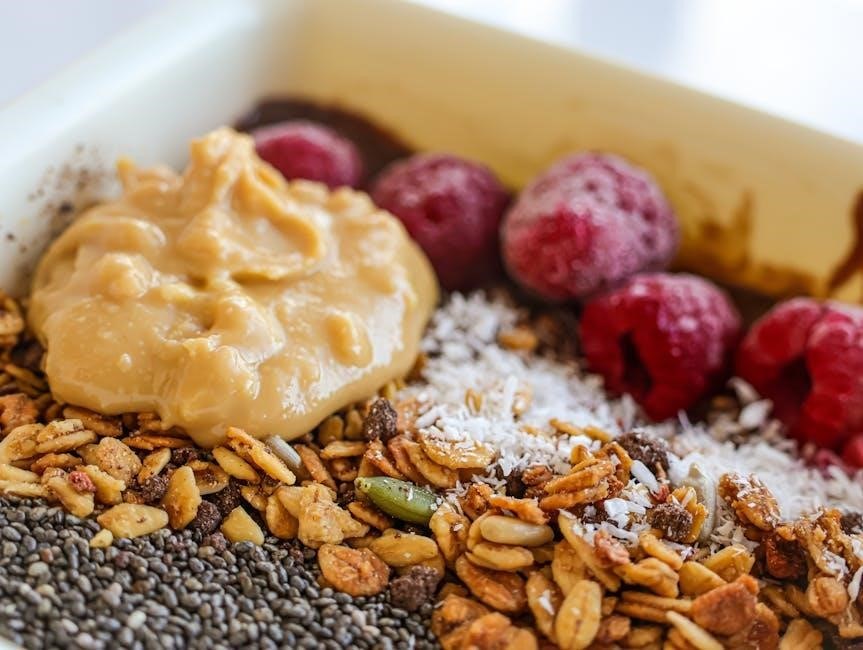
Emphasize fiber-rich foods – fruits‚ vegetables‚ and whole grains – to promote satiety and digestive health․ Adequate protein intake is vital for preserving muscle mass during weight loss․ Hydration plays a key role‚ aiding digestion and overall bodily functions․
This plan isn’t a quick fix; it’s a sustainable lifestyle shift focused on nourishing your body and establishing healthy eating habits for long-term well-being․
Macronutrient Breakdown for Optimal Results
Achieving optimal results with semaglutide requires a balanced macronutrient approach․ Prioritize protein‚ aiming for approximately 0․8-1․2 grams per kilogram of body weight daily‚ to preserve lean muscle mass․ Healthy fats should comprise 20-30% of your daily intake‚ focusing on sources like avocados‚ nuts‚ and olive oil․
Carbohydrates‚ primarily from complex sources like quinoa and teff‚ should make up the remaining calories․ Limiting refined sugars and processed foods is essential for stable blood sugar levels and sustained energy․ Individual needs vary‚ so consulting a registered dietitian is recommended․
This breakdown supports satiety‚ minimizes cravings‚ and maximizes the benefits of semaglutide for effective and sustainable weight management․
Protein Intake Recommendations
Adequate protein intake is crucial while utilizing semaglutide‚ supporting muscle preservation during weight loss and enhancing satiety․ Aim for 0․8 to 1․2 grams of protein per kilogram of body weight daily‚ adjusting based on activity level and individual needs․ Lean protein sources are paramount‚ including poultry‚ fish‚ beans‚ and tofu․
Distribute protein evenly throughout the day‚ incorporating it into each meal to optimize absorption and utilization․ Prioritizing protein helps mitigate potential muscle loss‚ a common concern with rapid weight reduction․ Consider supplementing with protein shakes if meeting daily requirements through food alone proves challenging․
Consistent protein consumption maximizes the metabolic benefits of semaglutide‚ fostering a healthier body composition․
Healthy Fat Sources
Incorporating healthy fats is vital on a semaglutide diet‚ despite limiting overall fat intake․ Focus on unsaturated fats‚ which support heart health and provide essential nutrients․ Excellent choices include avocados‚ olive oil‚ nuts‚ and seeds – flaxseeds and chia seeds are particularly beneficial․
These fats promote satiety‚ aiding in appetite control and reducing cravings․ However‚ portion control remains key‚ as fats are calorie-dense․ Aim to include a small serving of healthy fats with each meal‚ approximately one to two tablespoons of olive oil or a handful of nuts․
Avoid excessive consumption‚ and prioritize quality over quantity for optimal results and sustained well-being․
Foods to Emphasize While on Semaglutide
Prioritizing nutrient-dense foods is crucial when following a semaglutide diet plan․ Focus on whole‚ unprocessed options that support weight loss and overall health․ Fruits and vegetables should form the cornerstone of your diet‚ providing essential vitamins‚ minerals‚ and fiber․
Lean proteins‚ such as fish‚ poultry‚ and beans‚ are also vital for maintaining muscle mass and promoting satiety․ Whole grains like quinoa‚ teff‚ and wheat berries offer sustained energy and additional fiber․ These complex carbohydrates aid in blood sugar control and digestive health․
Emphasizing these food groups will maximize the benefits of semaglutide and contribute to long-term success․
Fruits and Vegetables: Fiber-Rich Choices
Incorporating a wide variety of fruits and vegetables is paramount on a semaglutide diet‚ primarily due to their high fiber content․ Fiber plays a critical role in weight loss‚ promoting fullness‚ regulating blood sugar‚ and supporting heart health․ Non-starchy vegetables like broccoli‚ spinach‚ and kale should be staples‚ offering minimal calories and maximum nutrients․
Fruits such as berries‚ apples‚ and pears provide natural sweetness alongside fiber and antioxidants․ Prioritize whole fruits over juices to retain the beneficial fiber․ The fiber content aids digestion and helps mitigate potential semaglutide side effects like constipation․
Aim for at least five servings daily‚ diversifying your choices for optimal nutrient intake․
Whole Grains: Quinoa‚ Teff‚ and More

Selecting whole grains over refined options is crucial for sustained energy and improved satiety while on semaglutide; These grains provide complex carbohydrates and fiber‚ contributing to stable blood sugar levels and digestive health․ Quinoa‚ a complete protein source‚ is an excellent choice‚ alongside ancient grains like teff and wheat berries․

Buckwheat and sorghum are also beneficial additions‚ offering unique nutritional profiles․ Prioritize these over white rice and processed grain products․ The fiber content in whole grains assists in managing potential gastrointestinal side effects associated with semaglutide․
Portion control remains important‚ even with healthy whole grains‚ to support weight loss goals․
Foods to Limit or Avoid
While on semaglutide‚ minimizing intake of refined sugars and heavily processed foods is paramount for optimal results․ These items often lack nutritional value and can exacerbate potential side effects like nausea and digestive discomfort․ Specifically‚ sugary drinks‚ pastries‚ and fast food should be significantly reduced or eliminated․
High-fat and greasy foods are also best limited‚ as they can slow digestion and contribute to feelings of fullness or discomfort․ Focus on lean protein sources and healthy fats instead․ Avoiding excessive saturated and trans fats supports cardiovascular health‚ a key benefit highlighted in the SELECT trial findings․
Careful consideration of food choices will enhance the effectiveness of semaglutide and promote overall well-being․
Refined Sugars and Processed Foods
Reducing your intake of refined sugars is crucial while using semaglutide‚ as these offer minimal nutritional benefit and can worsen digestive issues like nausea․ Processed foods‚ often laden with hidden sugars‚ unhealthy fats‚ and sodium‚ should also be limited․ Examples include sugary beverages‚ candy‚ packaged snacks‚ and many pre-made meals․
These foods can interfere with weight loss efforts and potentially exacerbate side effects․ Prioritize whole‚ unprocessed foods instead‚ focusing on nutrient density․ The fiber content in fruits and vegetables aids in blood sugar control and promotes satiety‚ helping to curb cravings for sugary treats․
Conscious food choices are key to maximizing semaglutide’s effectiveness and achieving sustainable weight management․
High-Fat and Greasy Foods
Limiting high-fat and greasy foods is paramount when taking semaglutide‚ as they are known to trigger nausea‚ vomiting‚ and diarrhea – common side effects of the medication․ These foods slow down gastric emptying‚ potentially intensifying digestive discomfort and hindering the drug’s effectiveness․ Examples include fried foods‚ fast food‚ fatty cuts of meat‚ and full-fat dairy products․

Opting for leaner protein sources and healthier fat alternatives is advisable․ Focus on baked‚ grilled‚ or steamed preparations instead of fried options․ Small‚ frequent meals can also help manage tolerance to dietary fat․ Avoiding these foods supports better absorption and minimizes unpleasant gastrointestinal symptoms․
Prioritizing mindful eating and portion control further enhances comfort and weight loss success․
Sample Meal Plan (7-Day Outline)
This 7-day outline emphasizes fiber-rich foods‚ lean proteins‚ and healthy fats‚ supporting semaglutide’s effects․ Day 1: Oatmeal with berries‚ grilled chicken salad‚ baked salmon with quinoa․ Day 2: Greek yogurt with fruit‚ turkey breast sandwich on whole-grain bread‚ lentil soup․ Day 3: Scrambled eggs with spinach‚ tuna salad with whole-wheat crackers‚ chicken stir-fry with brown rice․
Day 4: Smoothie with protein powder and fruit‚ lean beef with roasted vegetables‚ cod with sweet potato․ Day 5: Whole-grain toast with avocado‚ chicken breast with steamed broccoli‚ black bean burgers․ Day 6: Cottage cheese with peaches‚ shrimp salad‚ turkey meatballs with zucchini noodles․ Day 7: Eggs with whole-wheat toast‚ salmon with asparagus‚ chicken and vegetable skewers․
Remember to adjust portion sizes and personalize based on individual needs․
The Role of Exercise with Semaglutide
While semaglutide promotes weight loss‚ integrating exercise amplifies results and bolsters overall health․ Focus on a combination of cardiovascular exercise and strength training․ Cardio‚ like brisk walking‚ jogging‚ or cycling‚ enhances calorie expenditure and improves heart health․ Strength training‚ using weights or bodyweight‚ minimizes muscle loss—a common concern during rapid weight reduction—and boosts metabolism․
Aim for at least 150 minutes of moderate-intensity or 75 minutes of vigorous-intensity cardio weekly․ Incorporate strength training exercises targeting all major muscle groups two to three times per week․ Any movement is beneficial; start slowly and gradually increase intensity and duration․ Exercise complements semaglutide‚ aiding weight maintenance and improving physical function․
Prioritize consistency over intensity‚ finding activities you enjoy to ensure long-term adherence․
Importance of Hydration and Sleep
Optimal hydration and sufficient sleep are crucial companions to a semaglutide-supported weight loss journey․ Adequate water intake—aim for at least eight glasses daily—supports metabolic processes‚ aids digestion‚ and can help manage potential side effects like constipation․ Dehydration can sometimes mimic hunger‚ leading to unnecessary calorie consumption․
Prioritize 7-9 hours of quality sleep each night․ Sleep deprivation disrupts hormones regulating appetite‚ potentially increasing cravings and hindering weight loss efforts․ Poor sleep also elevates stress levels‚ which can sabotage dietary adherence․ Establishing a regular sleep schedule and creating a relaxing bedtime routine are beneficial․
Combine these lifestyle factors with semaglutide and a balanced diet for maximized results․
Cardiovascular Benefits Beyond Weight Loss (SELECT Trial Findings)
Groundbreaking findings from the SELECT trial demonstrate that semaglutide’s cardiovascular advantages extend beyond mere weight reduction․ The study revealed a significant decrease in major adverse cardiovascular events (MACE) – including heart attack‚ stroke‚ and cardiovascular death – in individuals with obesity and established cardiovascular disease․
Interestingly‚ these protective effects aren’t solely attributable to waist circumference reduction․ Researchers found that only a portion of the cardiovascular benefit could be explained by weight loss‚ suggesting broader‚ independent mechanisms at play․ Semaglutide appears to directly impact cardiovascular health‚ potentially improving blood vessel function and reducing inflammation․

These results position semaglutide as a valuable tool not just for weight management‚ but also for mitigating cardiovascular risk․
Accessing Semaglutide and Future Trends (2026 Updates)
As of 2026‚ accessing semaglutide (Wegovy‚ Ozempic‚ Rybelsus) has broadened with expanded FDA-recognized pathways‚ though navigating insurance coverage remains complex․ Novo Nordisk launched a once-daily oral semaglutide formulation in early 2026‚ offering a convenient alternative to injections․ However‚ supply chain challenges persist‚ impacting availability and cost․
Future trends point towards personalized semaglutide regimens‚ potentially combining it with other therapies for synergistic effects․ Research is exploring novel delivery methods‚ including longer-acting injectables and even implantable devices․ Furthermore‚ advancements in understanding individual responses to semaglutide will refine treatment protocols․
Expect increased focus on comprehensive weight management programs integrating semaglutide with dietary guidance‚ exercise‚ and behavioral support․