Seeking a deeper connection with God, Christians throughout history have turned to consecration to Jesus. This devotion, spanning centuries, offers a pathway to profound spiritual growth and love.
Through this practice, individuals dedicate their lives to fully knowing, loving, and serving the Holy Trinity – Father, Son, and Holy Spirit – guided by the Sacred Heart.
What is Consecration?
Consecration, at its heart, represents a deliberate and intentional act of setting something – or, crucially, oneself – apart for a sacred purpose. It’s a profound offering, a complete surrender to God’s will, and a commitment to living a life centered on His love.
Specifically within the devotion to the Sacred Heart, consecration signifies dedicating one’s life to mirroring the boundless love and compassion embodied by Jesus Christ. It’s a journey of seeking a more intimate relationship with Him, allowing His Sacred Heart to transform our own.
This isn’t merely a one-time event, but a continuous process of aligning one’s thoughts, words, and actions with the virtues of the Sacred Heart – humility, meekness, and burning love for all.
The Historical Roots of Devotion
While elements of honoring Christ’s heart existed earlier, the formalized devotion to the Sacred Heart as we know it today began to flourish in the 17th century. Early mystical experiences and writings laid the groundwork, emphasizing Christ’s love as revealed through His wounded Heart.
However, it was Saint Margaret Mary Alacoque in the late 1670s who received pivotal private revelations from Jesus, outlining the practice of consecration and the associated promises. These revelations sparked initial resistance but gradually gained acceptance.
Over the centuries, devotion spread, fueled by papal endorsements and the dedication of religious orders, becoming a central aspect of Catholic spirituality.
Significance of the Sacred Heart Image
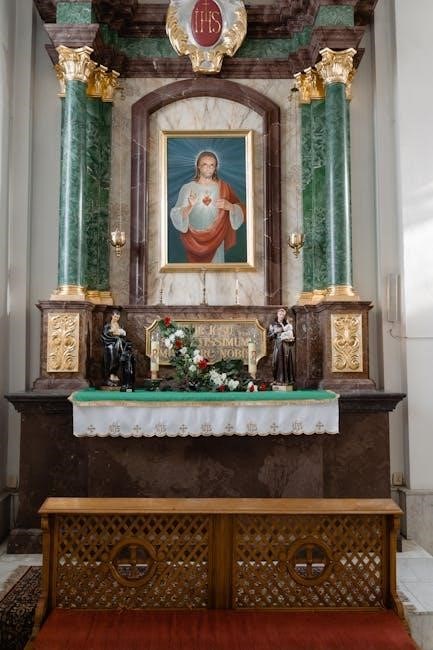
The image of the Sacred Heart – typically depicted as a flaming heart crowned with thorns, pierced by a lance, and radiating light – is profoundly symbolic. It represents Jesus’s divine and human love for humanity, a love so great it led to His Passion and death on the cross.
The flames signify the transformative power of His love, while the crown of thorns recalls His suffering. The wound represents the ultimate sacrifice, and the light emanating from the Heart embodies grace and mercy offered to all.
Even in challenging cultural contexts, like China, the image persists, demonstrating its enduring power and resonance with the human heart’s longing for love and compassion.
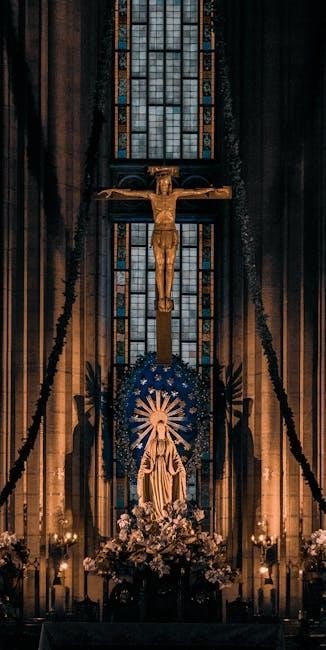
The Sacred Heart Devotion: A Theological Foundation
This devotion isn’t merely sentimental; it’s rooted in solid theological understanding, exploring the symbolism of the Heart and its biblical basis for deeper faith.
Understanding the Symbolism of the Heart
The Sacred Heart isn’t simply an anatomical depiction, but a powerful symbol representing Jesus’s boundless and divine love for all humanity. It visually embodies His compassion, sacrifice, and the immense suffering endured for our salvation.
Traditionally depicted with thorns, a cross, and flames, each element carries profound meaning. The thorns symbolize the pain and humiliation Jesus experienced, the cross represents His ultimate sacrifice, and the flames signify the burning intensity of His love. This imagery invites contemplation of His profound mercy.
Ultimately, the Sacred Heart serves as a tangible reminder of God’s intimate and personal love, urging believers to reciprocate with devotion and a commitment to living a life centered on His teachings.
Biblical Basis for the Devotion
While the explicit phrase “Sacred Heart” doesn’t appear directly in Scripture, the devotion’s roots are firmly grounded in biblical themes of God’s love and compassion. Passages revealing Jesus’s profound empathy, like those depicting His sorrow over Jerusalem or His compassion for the suffering, lay the foundation.
Furthermore, references to Jesus’s pierced side on the cross (John 19:34) are often linked to the outpouring of grace and mercy from His heart. The Old Testament also foreshadows this love through imagery of God’s heart yearning for His people.
These scriptural foundations demonstrate that devotion to the Sacred Heart isn’t an innovation, but a deepening of existing biblical truths about God’s boundless love.
The Role of Saint Margaret Mary Alacoque
Saint Margaret Mary Alacoque, a 17th-century French Visitation nun, played a pivotal role in promoting devotion to the Sacred Heart. Between 1673 and 1675, she received a series of private revelations from Jesus Christ, detailing His immense love for humanity and requesting a specific act of reparation.
These revelations centered on the desire for consecration to His Sacred Heart, along with practices like the First Friday devotion and the Holy Hour. Her experiences, initially met with skepticism, were eventually approved by the Church.
Through her unwavering faith and obedience, Saint Margaret Mary became instrumental in spreading this powerful devotion worldwide.
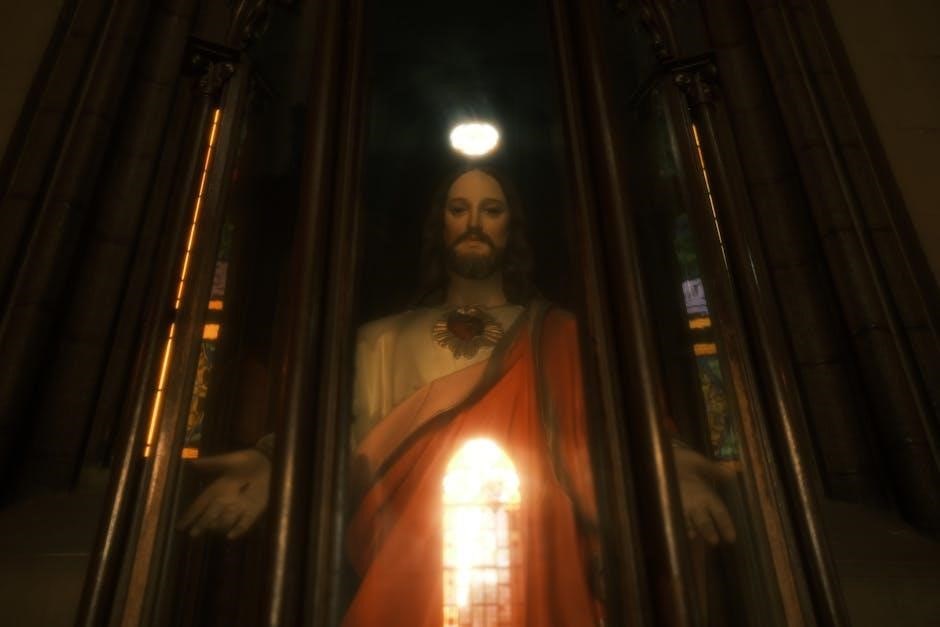
The Annum Sacrum Encyclical (1899)
Pope Leo XIII’s 1899 encyclical, Annum Sacrum, passionately urged the world’s consecration to the Sacred Heart of Jesus, seeking peace and redemption.
Pope Leo XIII’s Call to Consecration
In Annum Sacrum, Pope Leo XIII didn’t merely suggest consecration; he presented it as a vital remedy for the ills plaguing humanity. He believed societal problems stemmed from a disregard for God and a waning love for Christ.
The Pope implored all nations to publicly acknowledge Christ as King, and to dedicate themselves to the Sacred Heart, viewing it as a source of peace and salvation. This wasn’t a superficial act, but a profound commitment to transforming lives and societies through divine grace.
He envisioned a world renewed by faith, where the Sacred Heart would reign supreme, fostering justice, charity, and lasting peace. His call resonated deeply, sparking a global movement of devotion.
Impact of the Encyclical on Global Devotion
Annum Sacrum ignited a fervent wave of devotion to the Sacred Heart worldwide. Following Pope Leo XIII’s call, numerous countries responded by publicly consecrating themselves to Jesus’s most loving symbol.
This led to a surge in the establishment of churches dedicated to the Sacred Heart, and a renewed focus on the devotion within existing parishes. The encyclical’s influence extended beyond Europe, reaching communities across the globe.
Even in regions facing political and social upheaval, like China, the image of the Sacred Heart persevered, demonstrating its enduring power and the faith of the people.
The USCCB Consecration in 2026
The U.S. Conference of Catholic Bishops approved a national consecration to the Sacred Heart, coinciding with the nation’s 250th anniversary celebration.
Context: The 250th Anniversary
This significant consecration by the USCCB in 2026 is purposefully linked to the 250th anniversary of the United States. It’s a moment for national reflection and spiritual renewal, acknowledging God’s providence throughout American history.
The timing isn’t merely coincidental; it’s a call to recognize the blessings received and to seek continued guidance and protection for the nation. This act of consecration aims to place the country under the loving gaze and protection of the Sacred Heart of Jesus, fostering faith and unity.
It represents a profound expression of gratitude and a plea for continued grace as the nation navigates future challenges and opportunities.
The Process of National Consecration
The USCCB’s approval initiates a carefully planned process of national consecration. Details regarding the specific ceremonies and prayers are being finalized, ensuring widespread participation across dioceses and parishes nationwide.
This will likely involve a novena of prayer, special Masses, and the recitation of a formal act of consecration. Dioceses are encouraged to organize events allowing faithful to join in this collective offering.
The goal is to unite Catholics throughout the country in a unified act of devotion, seeking the blessings of the Sacred Heart for the nation and its people.
Expected Outcomes and Spiritual Benefits
The national consecration to the Sacred Heart anticipates a renewal of faith and a deepening of the spiritual lives of Catholics across the United States. It’s hoped this act will foster greater unity and a stronger sense of collective purpose.
Spiritual benefits include increased grace, protection, and peace for the nation, alongside a personal transformation for those who participate sincerely in the devotion.
Ultimately, the consecration aims to draw the country closer to God’s loving mercy and to inspire a renewed commitment to living out the Gospel message.
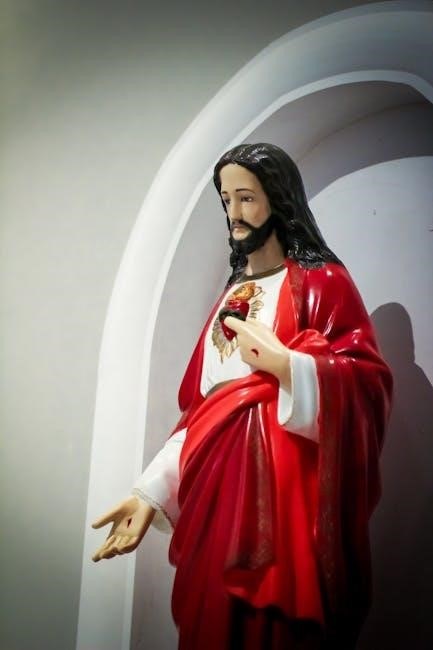
Practical Aspects of Personal Consecration
Individuals can choose various methods for consecration, often involving a dedicated 30-day preparation period culminating in a heartfelt act of complete self-offering.
Choosing a Consecration Method
Selecting a suitable method for consecration to the Sacred Heart is a deeply personal journey. Numerous resources, including readily available PDF guides, offer structured programs. These typically involve daily prayers, reflections, and acts of reparation.
Consider your spiritual inclinations and time commitments when making your choice. Some prefer guided novenas, while others opt for more independent approaches. Exploring different options ensures a comfortable and meaningful experience. The key is consistent, prayerful engagement with the devotion, fostering a closer relationship with Jesus.
The 30-Day Preparation
The traditional preparation for consecration to the Sacred Heart spans thirty days, a period of focused prayer and spiritual refinement. Many PDF guides detail a structured daily program, incorporating scripture readings, meditations on the Sacred Heart, and acts of reparation for offenses against His love.
This preparatory phase isn’t merely about following a schedule; it’s about cultivating a deeper understanding of Jesus’s boundless mercy and a sincere desire to respond to His love with a renewed heart. Consistent dedication is crucial for a transformative experience.
The Act of Consecration Itself
The culmination of the 30-day preparation is the Act of Consecration, a formal declaration of dedicating oneself entirely to the Sacred Heart of Jesus. Many downloadable PDF guides provide specific prayers and formulas for this solemn moment, often involving a heartfelt offering of one’s life, actions, and intentions.
This isn’t a one-time event, but rather a foundational commitment. It’s a conscious choice to align one’s will with His, seeking to live a life mirroring His love and compassion, continually renewed through prayer and devotion.
Resources for Consecration
Numerous PDF guides and materials are readily available online, offering structured preparation for consecration to the Sacred Heart, aiding in this spiritual journey.
Available PDF Guides and Materials
A wealth of downloadable PDF resources simplifies the process of consecration to the Sacred Heart. These guides typically offer a 30-day preparation schedule, incorporating daily prayers, meditations, and scriptural readings focused on understanding the devotion’s depth.
Many include explanations of the Sacred Heart’s symbolism, the life of Saint Margaret Mary Alacoque, and the historical context of Pope Leo XIII’s call to consecration. Several parishes and devotional societies provide free, printable guides, while others are available for purchase, often containing additional reflections and spiritual exercises.
These materials are invaluable tools for individuals seeking a structured and informed approach to this profound act of faith and dedication.
Online Resources and Communities
Numerous websites and online communities support those undertaking consecration to the Sacred Heart. These platforms offer downloadable PDFs, daily reflections, and opportunities to connect with others on a similar spiritual journey.
Dedicated forums and social media groups facilitate discussion, sharing of experiences, and mutual encouragement throughout the 30-day preparation. Websites of Catholic organizations and parishes frequently host resources, including audio recordings of prayers and teachings on the devotion.
These digital spaces foster a sense of unity and provide valuable support for deepening one’s understanding and commitment.
Recommended Books on the Sacred Heart
Exploring the devotion through literature provides deeper insight. Several books delve into the history, theology, and practical application of consecration to the Sacred Heart, complementing PDF guides.
Classic works by Saint Margaret Mary Alacoque detail her visions and the origins of the devotion. Contemporary authors offer modern perspectives and guidance for personal consecration, enriching the spiritual experience.
These resources offer a comprehensive understanding, fostering a more profound connection with the loving Heart of Jesus and aiding in a fruitful preparation.
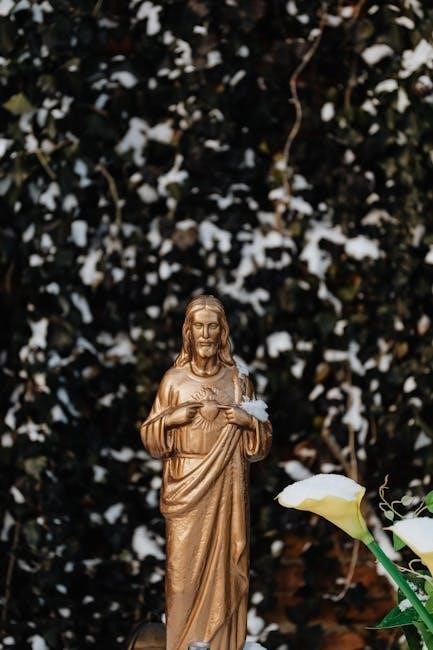
The Sacred Heart in Different Cultures
Even amidst upheaval, the Sacred Heart image persists in Chinese families, demonstrating the devotion’s enduring power and global reach, transcending political barriers.
Devotion in China: A Historical Perspective
Remarkably, the image of the Sacred Heart is a common sight within nearly every Chinese family, a testament to its deep-rooted presence. This enduring devotion has remarkably survived significant social and political transformations, including periods of intense upheaval and the widespread dissemination of atheistic propaganda by the ruling regime.
Notably, the first church specifically dedicated to the Sacred Heart was established in China, signifying an early and strong embrace of this particular expression of faith. This demonstrates a historical openness to, and reverence for, the Sacred Heart devotion within the Chinese Catholic community, persisting through challenging times.
Global Spread and Adaptations
The devotion to the Sacred Heart wasn’t confined to any single region; it experienced a remarkable global expansion, taking root in diverse cultures and communities worldwide. This spread wasn’t a uniform replication, however, but rather a fascinating process of adaptation and integration with local traditions and spiritual sensibilities.
Each culture uniquely embraced and expressed its devotion, reflecting its own artistic styles, liturgical practices, and theological interpretations. This organic growth demonstrates the universal appeal of the Sacred Heart, resonating with people across geographical and cultural boundaries, fostering a truly global faith community.
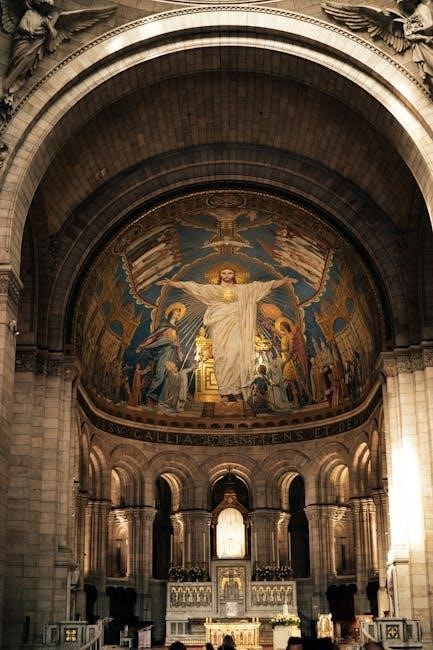
The Feast of the Sacred Heart
This year marks a special centenary, celebrating the extension of the Feast of the Sacred Heart to the entire world, observed with traditional prudence.
Historical Development of the Feast
Initially celebrated in France during the 17th century, inspired by the revelations to Saint Margaret Mary Alacoque, the Feast of the Sacred Heart gradually gained recognition. Its origins lie in a desire to repair the perceived offenses against Jesus and to express love for His divine heart.
Early celebrations were localized, but devotion spread. Pope Clement XIII officially approved the feast for Rome in 1765. However, it wasn’t until 1856 that Pope Pius IX extended it to the entire Church. The centenary year now observed commemorates this universal extension, highlighting the enduring significance of this devotion for all believers.
Significance of the Centenary Year
This year marks a pivotal moment – the centenary of extending the Feast of the Sacred Heart to the entire world. The Church, known for its prudence, cautiously yet firmly embraced this devotion, recognizing its profound spiritual value for all Catholics globally.
The centenary serves as a renewed call to deepen our understanding and love for the Sacred Heart. It’s a time for reflection, prayer, and a recommitment to living out the Gospel message of compassion and mercy, mirroring the love embodied in Jesus’s heart.
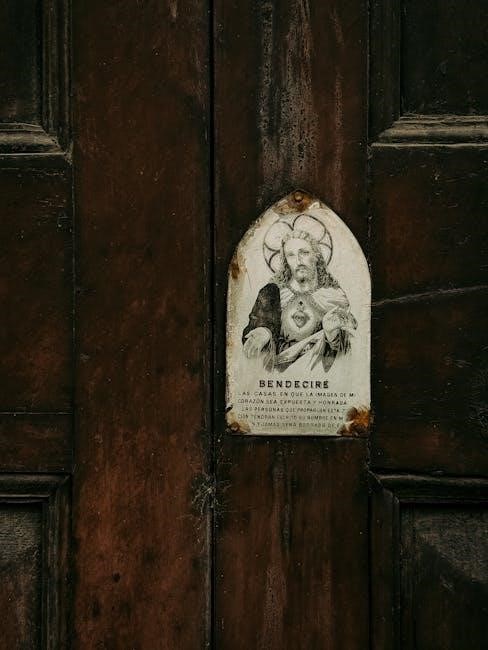
Challenges and Misconceptions
Addressing common concerns is vital; devotion shouldn’t be superficial. True consecration requires avoiding a shallow approach and embracing genuine faith and heartfelt commitment.
Addressing Common Concerns
Many question the necessity of another devotion alongside existing faith practices. However, consecration to the Sacred Heart isn’t about adding another obligation, but deepening existing commitments. Some worry about perceived exclusivity, fearing it diminishes Marian devotion; yet, these are interconnected.
Others express concern about potential emotionalism, advocating for a balanced approach rooted in theological understanding. It’s crucial to avoid superficiality, focusing on genuine conversion and a life mirroring Christ’s love. Addressing these anxieties fosters a richer, more informed devotion.
Avoiding Superficiality in Devotion
True consecration transcends mere ritual; it demands a genuine conversion of heart and a consistent striving to emulate Christ’s virtues. Resist reducing the devotion to sentimental feelings or outward displays devoid of inner transformation. Superficiality arises from neglecting the theological foundations and practical implications.
Focus on integrating the Sacred Heart into daily life through prayer, acts of charity, and a commitment to justice. Authentic devotion necessitates a willingness to embrace sacrifice and live a life of selfless service, mirroring the love embodied in the Sacred Heart.
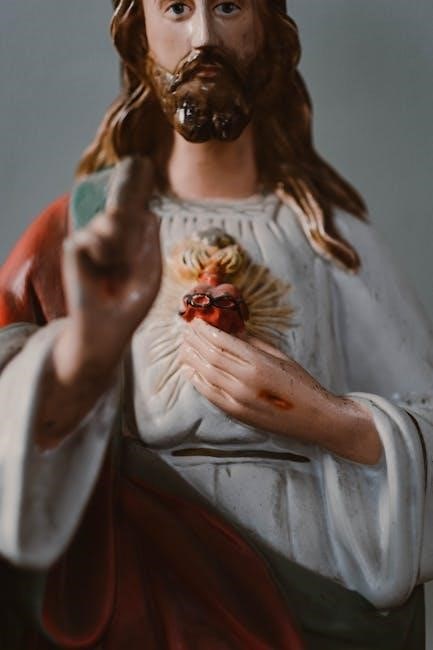
The Sacred Heart and Family Life
Parents face an awesome responsibility raising children today, entrusted with fostering faith and guiding them towards a deeper relationship with Jesus Christ.
Raising Children in the Sacred Heart Devotion
Instilling a love for the Sacred Heart in children begins with a home environment steeped in faith and prayer. Parents can introduce simple practices, like displaying a Sacred Heart image, fostering familiarity and reverence.
Sharing stories of Saint Margaret Mary Alacoque and explaining the symbolism of the heart – representing Jesus’ boundless love – can captivate young minds. Family prayers dedicated to the Sacred Heart, even brief ones, establish a consistent connection.
Leading by example, demonstrating personal devotion, is paramount. Children learn through observation, and witnessing their parents’ heartfelt faith will profoundly impact their own spiritual journeys.
The Role of Parents in Fostering Faith
Parents bear an awesome responsibility in nurturing their children’s faith, especially in today’s challenging world. This involves more than simply enrolling them in religious education; it demands a consistent, lived example of faith within the home.
Introducing the Sacred Heart devotion provides a tangible focus for this faith. Parents can explain how consecration is a loving response to Jesus’ immense love, a commitment to living a life centered on His Heart.
Creating opportunities for family prayer, discussing faith-based values, and modeling a life of service all contribute to a strong spiritual foundation for their children.
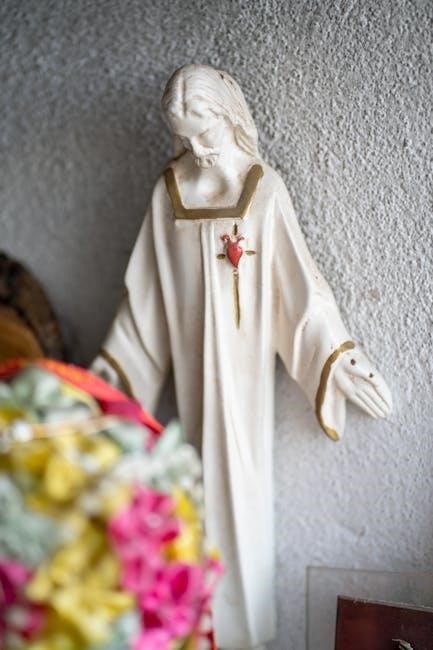
Living the Consecration Daily
Integrating the Sacred Heart into daily prayer and actively seeking opportunities for service are vital. This embodies the commitment made through consecration.
Integrating the Sacred Heart into Prayer
Embracing the Sacred Heart within your prayer life transforms it into a loving conversation with Jesus. Consider incorporating specific prayers dedicated to His Sacred Heart, such as the Litany of the Sacred Heart or the Prayer of Abandonment.
Visualizing the image of the Sacred Heart during meditation can deepen your connection. Reflect on the love, compassion, and mercy radiating from it. Offer your joys and sorrows, hopes and fears, directly to His wounded, yet loving, Heart.
Regularly dedicating time to contemplate the Sacred Heart fosters a profound intimacy with Jesus, shaping your daily actions and decisions with His divine love.
Practical Ways to Live Out the Consecration
Living the consecration extends beyond prayer; it’s about embodying the love of the Sacred Heart in daily life. Practice acts of kindness, compassion, and forgiveness towards others, mirroring Jesus’ boundless mercy.
Strive to see Jesus in everyone you encounter, treating each person with dignity and respect. Offer small sacrifices throughout the day, uniting them with the offering of Jesus on the cross.
Cultivate a spirit of humility and selflessness, seeking to serve others rather than being served. This active expression of faith truly embodies the spirit of the Sacred Heart.
The Sacred Heart and Marian Devotion
These two devotions are deeply interconnected, with Mary serving as a vital pathway to the Sacred Heart of Jesus, fostering a closer relationship with God.
The Interconnectedness of the Two Devotions
The devotion to the Sacred Heart and to Mary are not separate paths, but rather intimately linked expressions of faith. Mary, as the Mother of God, possesses a unique and irreplaceable role in mediating God’s grace to humanity.
Her Immaculate Heart, mirroring the love and compassion of her Son’s Sacred Heart, guides us towards a deeper understanding and appreciation of His divine mercy. Consecration to the Sacred Heart often finds its fullest expression when united with a similar consecration to the Immaculate Heart of Mary, creating a powerful synergy of love and devotion.
Mary as a Pathway to the Sacred Heart
Mary serves as an essential and beautiful pathway to the Sacred Heart of Jesus, offering a tender and maternal approach to encountering divine love. Her role isn’t to overshadow, but to illuminate and facilitate a closer relationship with her Son.
Through her Immaculate Heart, we are drawn into the depths of Jesus’s boundless mercy and compassion. Consecrating ourselves to Mary prepares our hearts to receive the fullness of grace offered through devotion to the Sacred Heart, making her a vital guide on this spiritual journey.
Consecration to the Sacred Heart unlocks transformative power, fostering deeper love and service. It’s a call to fully embrace God’s boundless mercy and compassion.
The Transformative Power of Consecration
Genuine consecration isn’t merely a one-time act, but a continuous journey of surrendering to divine love. It profoundly alters one’s perspective, aligning life more closely with Christ’s own Sacred Heart.
This devotion fosters a deeper understanding of God’s mercy and compassion, leading to increased faith and trust. Individuals often experience a heightened sense of peace, joy, and purpose as they embrace this spiritual path.
Ultimately, consecration empowers believers to become more effective instruments of God’s love in the world, radiating His grace to others through service and devotion.
A Call to Deeper Love and Service
Consecration to the Sacred Heart isn’t a passive acceptance, but an active response to God’s boundless love. It’s an invitation to emulate Christ’s selflessness and compassion in all aspects of life.
This devotion compels believers to extend kindness, forgiveness, and understanding to those around them, mirroring the Heart’s infinite mercy. It’s a call to prioritize the needs of others and to actively work for justice and peace.
Through this commitment, individuals become living witnesses to the transformative power of God’s love, inspiring others to embrace a similar path of devotion and service.